
Bathroom Waterproofing in Melbourne: 2025 Compliance Checklist
Bathroom Waterproofing in Melbourne: 2025 Compliance Checklist
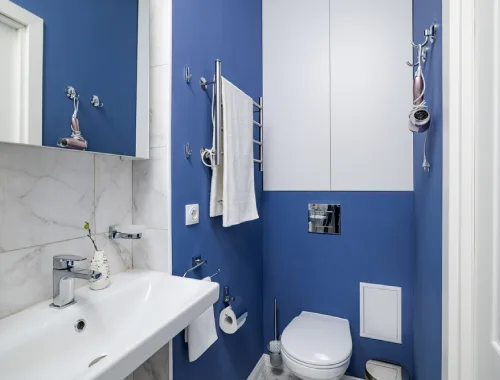 We break down what must be waterproofed in showers, floors, and splash zones under AS 3740:2021, and how licensed installers document compliance for councils and insurers. We highlight common failure points and how we prevent them on bathroom tiling jobs across Melbourne.
We protect wet areas so bathrooms stay dry, healthy, and compliant across Melbourne and nearby suburbs. We follow NCC 2022 and AS 3740 methods, document every step, and deliver durable finishes that stand up to daily use.
Why bathroom waterproofing matters in 2025
Moisture is relentless. It finds pinholes, weak junctions, and poor falls. Once water gets under tiles it swells substrates, feeds mould, and ruins paint in rooms below. We stop leaks before they start with a tested system, clear scope, and photo evidence for your records. The current compliance path lets us use the NCC Housing Provisions construction details, AS 3740, or a combination, provided we meet Performance Requirements. We choose the option that best fits your site and budget.
What changed and what the code requires
The NCC 2022 brought construction details back into the code and tightened some rules for wet areas. Shower walls must now be waterproof to at least 1800 mm above the floor substrate, not just water-resistant. Shower floors are fully waterproof. Penetrations, wall junctions, and floor junctions inside the shower all need waterproof treatment.
For the area outside the shower, the floor must be waterproof if it is timber based, and at least water-resistant if it is concrete or fibre-cement. All wall–floor junctions are waterproof, with correct flashing laps. This protects edges where movement and foot traffic stress the membrane.
In unenclosed showers, a waterstop must be set a minimum horizontal distance of 1500 mm from the shower rose. The vertical leg finishes flush with the top of the floor, and junctions where the stop meets walls are waterproof. If that junction cannot be proven waterproof, the entire wet area floor is waterproofed and drained to a floor waste, as for the shower zone.
If a floor waste is installed in the bathroom, the floor must fall to that waste within the NCC fall limits. This speeds drying and reduces ponding near the vanity or WC.
Our Melbourne checklist for compliant bathrooms
• Scope the wet area. We mark the shower footprint, waterstop line, and all penetrations. We confirm wall heights and whether the room has timber or concrete floors.
• Prepare the substrate. We clean, dry, and prime to the membrane manufacturer’s system. We treat cracks and movement joints before membrane work.
• Membrane to shower. We waterproof the shower floor and walls to at least 1800 mm. We lap junctions and seal all tap, mixer, rail, and niche penetrations.
• Membrane to bathroom floor. We waterproof timber-based floors throughout. We make concrete floors water-resistant outside the shower, and always waterproof wall–floor junctions.
• Waterstop and thresholds. We place the waterstop 1500 mm from the shower rose in unenclosed showers and tie it into the membrane. We keep the vertical leg flush for a clean tile finish.
• Falls and drainage. Where a floor waste is present, we grade the floor to the waste and bond the membrane to the drainage flange for a sealed connection.
• Documentation. We record before-and-after photos, membrane batch numbers, and data sheets. We provide a marked-up plan showing extents for your builder, certifier, or insurer.
How do we avoid common failures
Leaks often start at niches, mixer penetrations, or at the shower screen line. They also appear where timber floors flex or at door thresholds into hallways. We control these risks with compatible primers, correct laps at junctions, and a bonded connection at the drain. We keep movement joints where the code and tile layout require, then seal with a flexible, mould-resistant sealant. Our tilers set tile falls to the waste so puddles do not linger behind the door or vanity.
Local experience across Melbourne
We plan around real homes in Richmond, St Kilda, Footscray, Coburg, Doncaster, and the CBD. Apartments need careful staging and odour control. Period homes in inner-north suburbs often sit on timber floors that demand full-room waterproofing outside the shower. New builds in growth areas around Dandenong and Sunshine benefit from early coordination so that niches, drains, and screens align with membrane set-outs.
When to call us
Call us before you book the tiler or buy fixtures. We check the layout against the NCC Housing Provisions and AS 3740 options, confirm waste locations, and prevent rework. We can also assess existing showers that leak or smell musty and provide a staged repair plan.
Why choose us for bathroom waterproofing in Melbourne
We work to the code. We follow NCC 2022 and AS 3740 methods and explain the choices. We build in durability. We use proven membranes, correct laps, and sealed drainage connections. We document quality. You get photos, data sheets, and a clear scope for peace of mind.
Call 0481 314 553 or email [email protected] for a bathroom waterproofing quote in Melbourne today. We will assess your plan, set out a compliant system, and deliver a neat, leak-free bathroom that lasts.